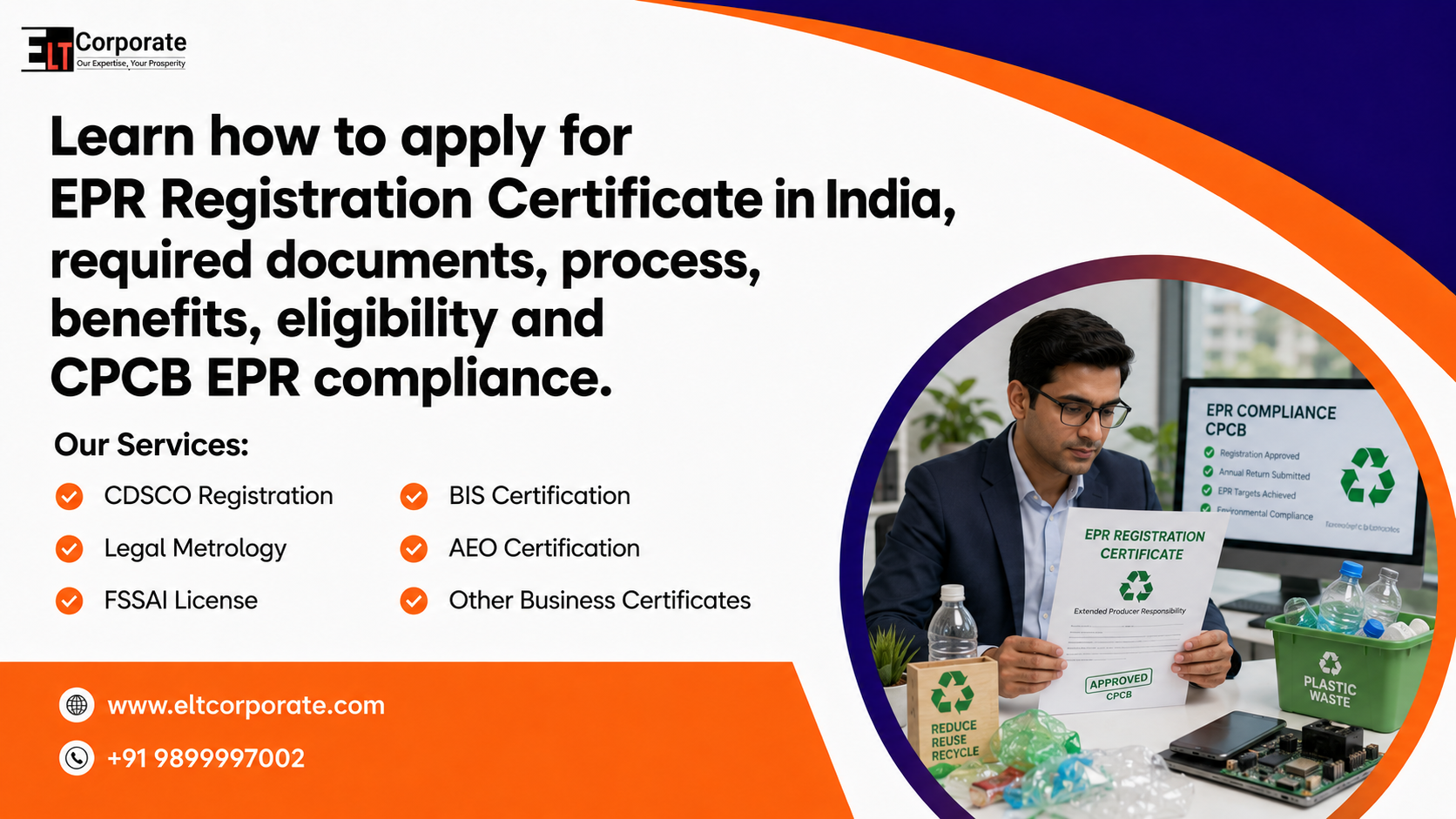
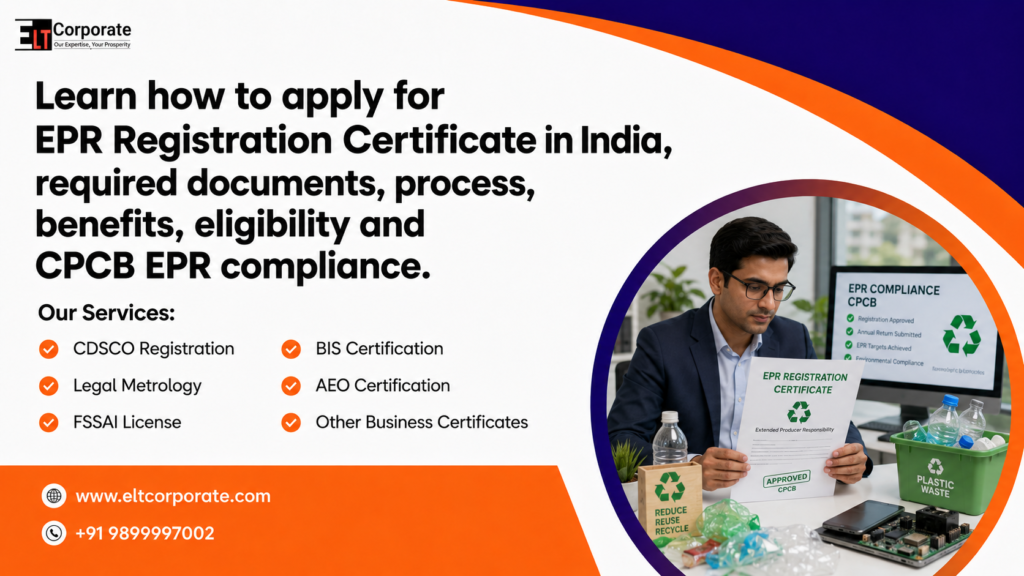
To maintain a proper balance between business activities and environmental protection, businesses must apply for an EPR Registration Certificate wherever applicable. Extended Producer Responsibility (EPR) Authorization in India is an important part of the country’s approach towards sustainable waste management.
EPR places responsibility on Importers, Producers, and Brand Owners to manage the lifecycle of their products responsibly, thereby reducing environmental impact. This detailed guide explains the EPR Registration process, its meaning, application procedure, types, documents, benefits, and other important requirements.
Meaning of EPR Authorization in India
EPR Authorization in India refers to the legal responsibility of Importers, Producers, and Brand Owners to take responsibility for the collection, recycling, and disposal of their end-of-life products. It is a regulatory mechanism designed to promote sustainable waste management practices and reduce environmental damage.
Easy Steps to Apply for EPR Registration
The following are the basic steps to apply for EPR Registration in India:
- Check Eligibility: Determine whether you fall under the category of Producer, Importer, or Brand Owner who is required to obtain EPR Registration.
- Collect Documents: Gather all the necessary documents required for the EPR Registration process.
- Submit Application: Complete and submit the application along with the required documents to the concerned regulatory authority.
- Review and Approval: The authorities will review the application and verify the submitted documents.
- Payment of Fees: Pay the prescribed fees applicable for EPR Registration.
- Issuance of Certificate: After successful completion of the process, the EPR Registration Certificate or authorization is issued.
Documents Required to Apply for EPR Registration
The documents required to apply for EPR Registration generally include:
- Application Form
- Proof of Identity and Address
- Authorization Letter
- Environmental Clearance Certificate, if applicable
Types of EPR Authorization in India
EPR Authorization in India mainly covers different waste management categories, including:
E-Waste Management
It relates to the responsible management, collection, recycling, and disposal of waste generated from electrical and electronic equipment.
Plastic Waste Management Rules, 2016
It focuses on the management of plastic waste in accordance with the applicable Plastic Waste Management Rules.
EPR Certificate Meaning
An EPR Certificate indicates that the Producer, Importer, or Brand Owner is registered for Extended Producer Responsibility and is required to fulfil the applicable obligations related to proper management of end-of-life products according to regulatory requirements.
EPR Authorization Under E-Waste Management in India
EPR Authorization under E-Waste Management requires Producers, Importers, and Brand Owners to establish appropriate systems for the collection, recycling, and disposal of electronic waste. The objective is to reduce the environmental impact caused by improper handling of e-waste.
Categories of Electrical & Electronic Equipment
Electrical and electronic equipment can generally be classified into the following broad categories:
- Large Equipment: Home appliances, IT and telecommunications equipment, and consumer equipment.
- Small Equipment: Lighting equipment, electrical and electronic tools, toys, medical devices, and monitoring and control instruments.
EPR Implementation Under Plastic Waste Management Rules, 2016
EPR implementation under the Plastic Waste Management Rules, 2016 requires Producers, Importers, and Brand Owners to manage the collection, recycling, and disposal of plastic waste generated from their products in an environmentally responsible manner.
How Does EPR Work in India?
EPR in India works by shifting the responsibility for managing end-of-life products from the government to Producers, Importers, and Brand Owners.
These entities are required to establish appropriate systems for the collection, recycling, and disposal of waste generated from their products in an environmentally responsible manner.
Post-Recycling Process Under EPR
After waste collection, the post-recycling process may include segregation, dismantling, processing, and recycling of materials to recover useful resources and minimise environmental pollution.
What is the EPR Authorization Process for Importers?
The EPR Authorization process for Importers generally follows similar steps as those applicable to Producers and Brand Owners. These include checking eligibility, submitting documents, application review, payment of applicable fees, and issuance of the EPR Registration or Authorization.
Criteria for Issuance of EPR Target Completion Certificate
The issuance of an EPR Target Completion Certificate depends on meeting the prescribed targets and fulfilling the obligations specified under the applicable EPR requirements.
Benefits of EPR Authorization
EPR Authorization offers several important benefits, including:
- Environmental Protection: Encourages responsible waste management practices and helps reduce environmental pollution.
- Resource Conservation: Supports recycling and recovery of valuable resources from waste materials.
- Regulatory Compliance: Helps businesses comply with applicable EPR requirements and avoid potential penalties and legal consequences.
Cancellation of EPR Authorization
EPR Authorization may be cancelled if a Producer, Importer, or Brand Owner fails to fulfil the applicable obligations or violates the terms and conditions prescribed under the authorization.
Who Can Apply for EPR Authorization?
Producers, Importers, and Brand Owners dealing with electrical and electronic equipment or plastic products may be required to apply for EPR Authorization, depending on the applicable regulatory provisions.
Procedure for Renewal of EPR License
The procedure for renewal of EPR Registration or License generally involves submitting a renewal application along with the required documents and applicable fees within the prescribed period.
Roles and Responsibilities Under E-Waste EPR
The major roles and responsibilities associated with E-Waste EPR include:
- Establishing suitable collection mechanisms;
- Ensuring proper dismantling and recycling of e-waste;
- Ensuring environmentally responsible disposal; and
- Creating awareness among consumers regarding proper disposal practices.
What is Exemption from EPR?
Certain categories of Producers, Importers, or Brand Owners may qualify for exemptions from specific EPR obligations based on the criteria prescribed under the applicable regulations.
Are Training Courses Available for Understanding EPR Authorization?
Yes, various training programmes and courses are available to help individuals and organisations understand EPR Registration and Authorization requirements.
You can also explore the EPR training course for further understanding.
How Can I Check My EPR Authorization Application Status?
You can check the status of your EPR Authorization application through the relevant authority or by checking the applicable online portal of the CPCB or concerned SPCB.
Can I Renew My EPR Authorization?
Yes, EPR Authorization can generally be renewed by submitting the required renewal application along with the necessary documents and applicable fees within the prescribed period.
How Long Does the EPR Authorization Process Take?
The time required for the EPR Authorization process may vary depending on factors such as completeness of the application, document verification, review process, and workload of the concerned authorities.
Therefore, the process may take several weeks or, in some cases, a few months to complete.
Is EPR Registration Compulsory?
Yes, EPR Registration is mandatory for applicable Producers, Importers, and Brand Owners dealing with electrical and electronic equipment and plastic products as prescribed under the relevant regulations.
What are the Responsibilities of PIBOs?
The responsibilities of Producers, Importers, and Brand Owners (PIBOs) generally include establishing suitable collection and recycling mechanisms, complying with EPR requirements, and ensuring responsible management of end-of-life products.
What Entities are Required to Register on CPCB’s EPR Portal?
Importers, Producers, and Brand Owners who fall under applicable EPR obligations are required to register on the CPCB EPR Portal for compliance and monitoring purposes.
Documents Required for EPR Registration for Importers, Producers, and Brand Owners
The documents required for EPR Registration for Importers, Producers, and Brand Owners generally include:
- Proof of identity;
- Address proof;
- Authorization letter; and
- Environmental clearance certificate, wherever applicable.
Additional documents may also be required depending upon the applicable EPR category.
Are There Specific Targets Under EPR Authorization?
Yes, specific targets relating to waste collection, recycling, and environmental compliance may be prescribed under the applicable EPR Authorization requirements.
Businesses are required to fulfil the relevant targets to maintain compliance with EPR regulations.
Reporting Requirements for Entities with EPR Authorization
Entities holding EPR Authorization may be required to submit periodic reports to the relevant regulatory authorities.
These reports may contain details regarding:
- Waste management activities;
- Progress towards achieving EPR targets;
- Recycling activities; and
- Overall compliance status.
Measures to Ensure Transparency and Accountability in the EPR Authorization Process
Various measures may be implemented to ensure transparency and accountability in the EPR Authorization process, including disclosure of relevant information, stakeholder participation, periodic audits, and reviews by the concerned regulatory authorities.
Role of Consumers in Supporting EPR Initiatives
Consumers also play an important role in supporting Extended Producer Responsibility initiatives.
Consumers can contribute by:
- Practising responsible consumption;
- Properly disposing of products and waste;
- Supporting recycling initiatives; and
- Creating awareness about environmental protection.
Responsible consumer behaviour can also encourage businesses to adopt more sustainable waste management practices.
Conclusion – Apply for EPR Registration
EPR Authorization in India is an important regulatory mechanism that supports sustainable waste management. By placing responsibility on Producers, Importers, and Brand Owners for managing the end-of-life stage of their products, EPR promotes environmental protection, resource conservation, recycling, and regulatory compliance.
Businesses covered under the applicable EPR regulations should understand their obligations and apply for EPR Registration to maintain compliance and contribute towards a cleaner and more sustainable environment.
FAQs on EPR Registration Certificate
What are the EPR Authorization Fees for Importers?
The EPR Authorization fees for Importers may vary depending on the applicable category, type and quantity of products, and requirements prescribed by the concerned regulatory authorities.
How Does Cancellation of EPR Authorization Affect a Company?
Cancellation of EPR Authorization may affect the company’s operations and can potentially result in regulatory consequences, loss of credibility, and disruption to business activities.
How are EPR Targets Determined for Producers, Importers, and Brand Owners?
EPR targets may be determined based on factors such as the type and volume of products, waste generated, environmental considerations, and requirements prescribed under applicable regulations.
What are the Consequences of Non-Compliance with EPR Obligations?
Non-compliance with EPR obligations may result in penalties, fines, legal action, regulatory consequences, and damage to the reputation of the business.
What is Pre-Consumer Plastic Waste?
Pre-consumer plastic waste refers to plastic waste generated during the manufacturing or production process before the product reaches the consumer, such as manufacturing scraps, rejects, and other production waste.